
Download The Exclusive Field Guide
Discover how frontline physicians bridge the critical gap in postpartum hemorrhage care when first-line interventions are not enough.
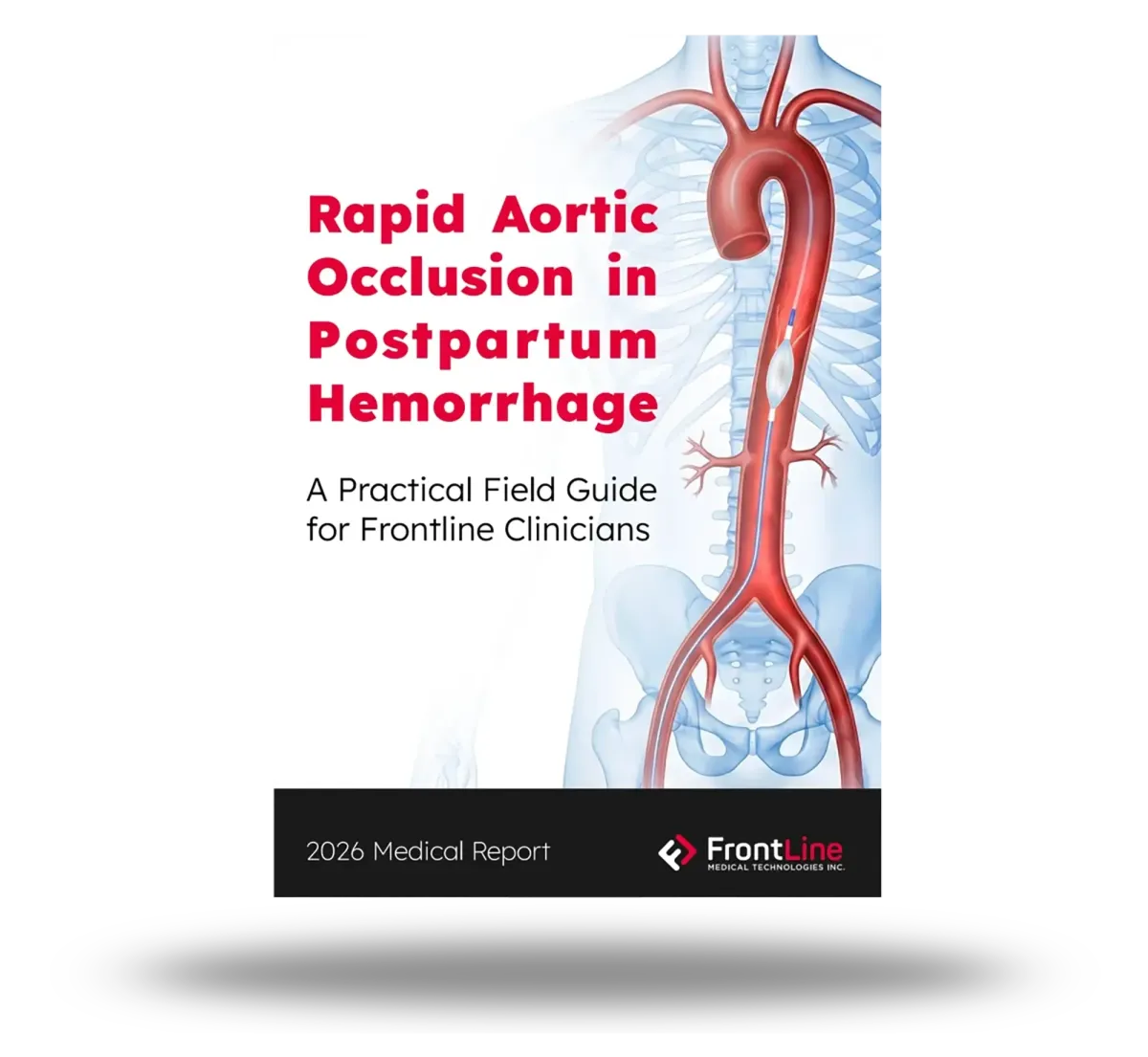
What You'll Learn?
When to escalate beyond first-line PPH interventions
How to identify delays that increase patient risk
The role of aortic occlusion as a bridge to care
Real-world applications across clinical settings
Postpartum hemorrhage (PPH) is excessive bleeding following childbirth and represents a medical emergency that can escalate rapidly if not addressed promptly. While some bleeding after delivery is expected, uncontrolled hemorrhage can lead to shock, organ failure, and life-threatening complications.
PPH can occur unexpectedly, even in patients without identifiable risk factors. For clinicians and care teams, understanding the condition and maintaining readiness is essential to protecting maternal lives.
In many cases, the greatest risk is not lack of knowledge, but delay in escalation. When definitive care is not immediately available, bridging that gap becomes critical to patient survival.


What Is Postpartum Hemorrhage?
Postpartum hemorrhage is typically defined as significant blood loss following vaginal or cesarean delivery. It may present immediately after birth or develop in the hours or days that follow.
PPH is commonly categorized as:
Primary PPH, occurring within the first 24 hours after delivery
Secondary PPH, occurring from 24 hours up to several weeks postpartum
Both forms require timely assessment and intervention to prevent deterioration.
Despite advances in obstetric care, postpartum hemorrhage continues to be a major contributor to preventable maternal harm. The condition can progress quickly, leaving little time for delayed decision-making or fragmented response.
Common underlying causes include:
Uterine atony
Retained placental tissue
Genital tract trauma
Coagulation disorders
These causes highlight the need for structured protocols, team coordination, and access to appropriate clinical tools when managing high-risk deliveries or emergent bleeding.
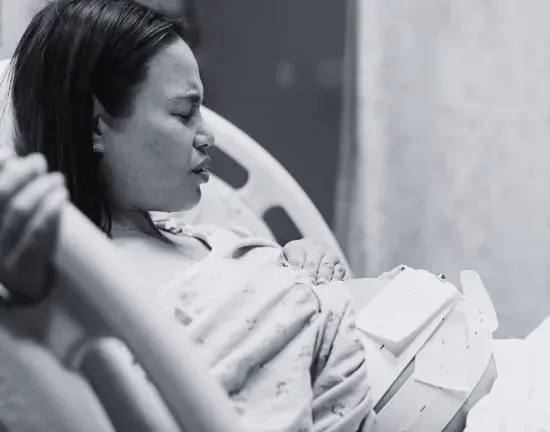
What Is Postpartum Hemorrhage?
Early recognition is critical. Warning signs of postpartum hemorrhage may include:

Heavy or persistent
vaginal bleeding

Decreasing blood pressure
or increasing heart rate

Dizziness, weakness,
or fainting

Pallor, clammy skin,
or signs of shock
Rapid escalation of care and clear communication among obstetric, anesthesia, and support teams
can significantly improve outcomes.

Management and Clinical Response
Effective management of postpartum hemorrhage requires a multidisciplinary approach. Initial response may involve uterotonic medications, manual interventions, or mechanical measures to control bleeding. In severe cases, advanced procedural or surgical interventions may be necessary.
However, when definitive interventions such as interventional radiology or surgery are not immediately available, clinicians must be prepared to bridge that delay.
Temporary aortic occlusion is increasingly recognized as a critical escalation step, helping stabilize patients by reducing pelvic blood flow while maintaining perfusion to vital organs. This approach can provide the time needed to reach definitive care.
Preparedness, training, and protocol-driven response help ensure that teams can act decisively when hemorrhage occurs.
This resource is intended to support clinicians and healthcare leaders in strengthening their understanding of postpartum hemorrhage and reinforcing readiness across obstetric care settings.
Bridging the Gap in PPH Escalation
In high-acuity PPH scenarios, the challenge is often not identifying the problem, but acting quickly enough when standard interventions are insufficient.
A modern PPH response model includes:
Early activation triggers such as rising blood loss and hemodynamic instability
Coordinated multidisciplinary workflows across obstetrics, interventional radiology, and critical care
Access to escalation tools that can stabilize patients when delays occur
Aortic occlusion plays a critical role in this model as a bridge to definitive care, not as a replacement for it.

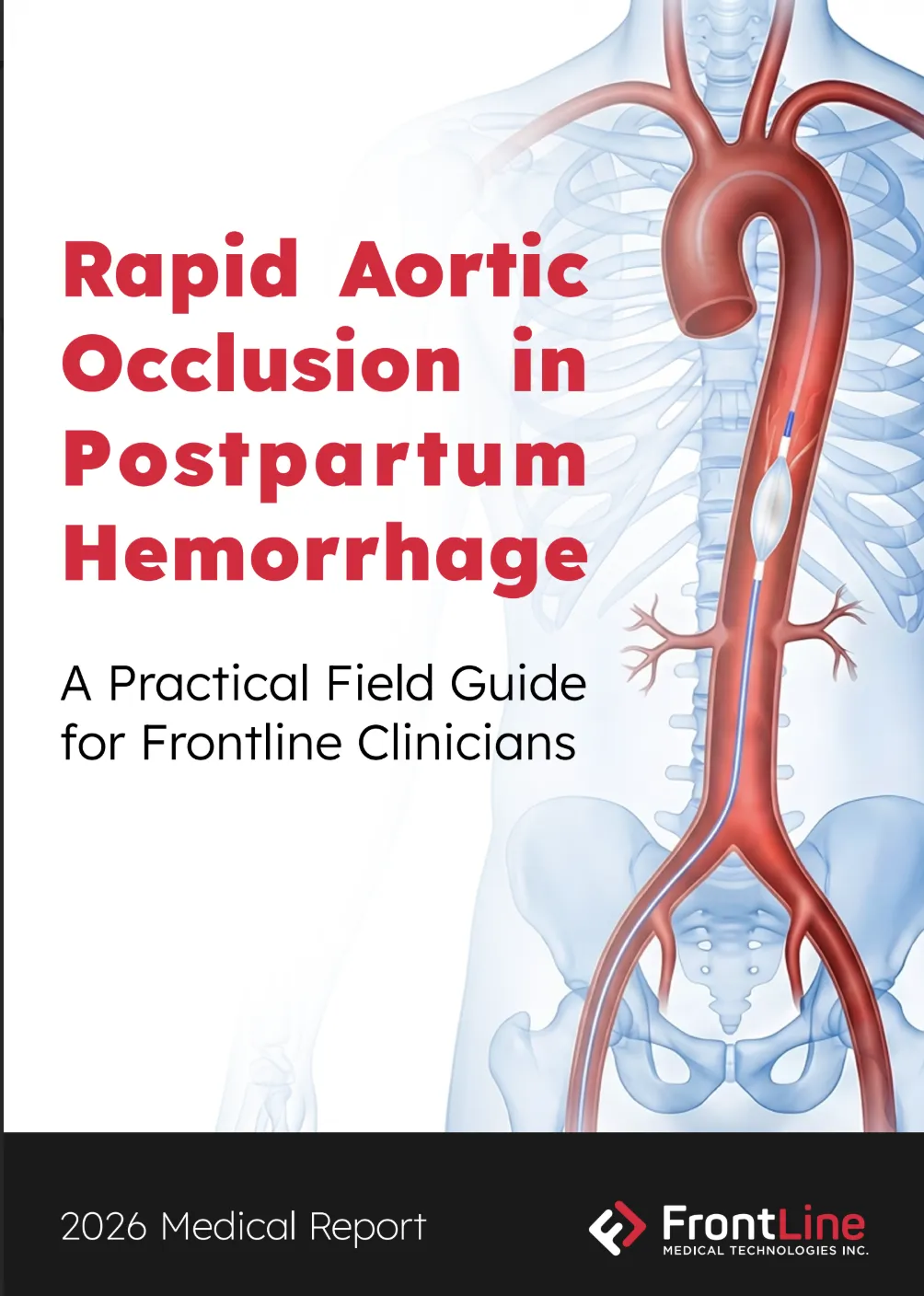
Access the Practical Field Guide to PPH Escalation
Download a clinical resource designed for providers across the continuum of postpartum care, including obstetrics, interventional radiology, emergency medicine, and critical care.
Inside, you will learn:
When to escalate beyond first-line PPH interventions
How to recognize when delays in definitive care create risk
The role of aortic occlusion as a bridge in modern PPH response models
How multidisciplinary teams are improving maternal outcomes
The clinical benefits of ultra-low-profile (4 Fr) technology in the hypercoagulable PPH population.
Complete the form below to access the guide.
Rapid escalation of care and clear communication among obstetric, anesthesia, and support teams can significantly improve outcomes.
Get in Touch with us
We’re here to help anytime

Call Us


Opening Time
Mon -Sat: 7:00 - 17:00
© Copyright Frontline Medical 2026. All Rights Reserved.